

When Every Moment Finds Its Place in Time
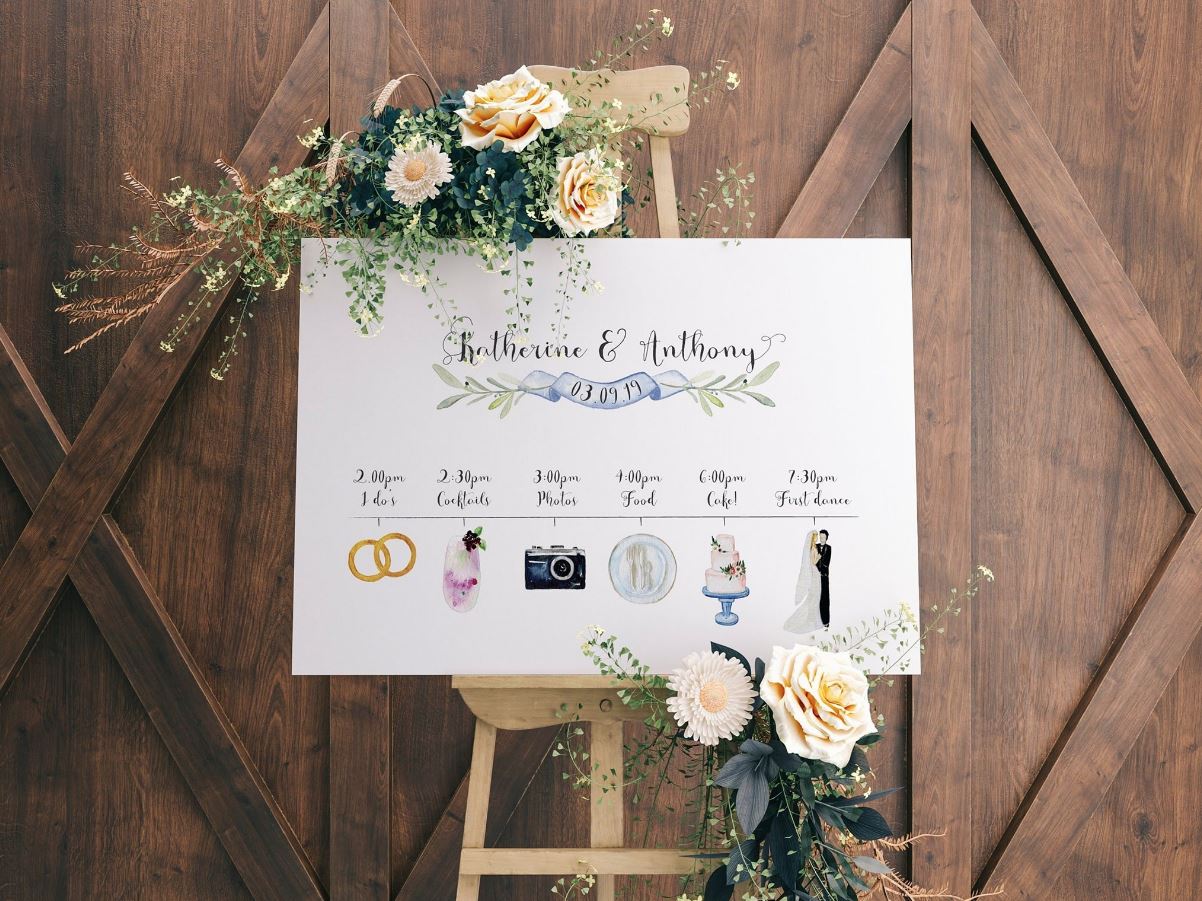
The Subtle Art of Weaving a Wedding Day into a Seamless Story
The Prelude of Planning
Every wedding begins as a dream suspended in time. Before the vows are spoken, before the flowers are chosen, before guests find their seats, there exists a rhythm quietly taking shape beneath the surface. The timeline of a wedding is not just a checklist or a schedule, it is a living narrative that transforms emotion into sequence. The prelude of planning starts long before the first invitation is sent. It begins with conversations between two hearts mapping out what a perfect day looks and feels like. It requires honesty about priorities, balance between fantasy and reality, and patience to let vision meet logistics. This stage shapes everything that follows, setting the tone for a day that feels intentional rather than rushed. The earliest weeks of planning often feel chaotic, yet they hold a kind of sacred anticipation. In those moments of preparation, couples learn not only to organize but to collaborate, merging their distinct ideas into one shared experience.
To create a beautiful timeline, one must start by understanding that time is both a canvas and a constraint. It allows for creativity yet demands discipline. When the foundation is thoughtfully planned, the rest of the wedding can unfold like a carefully composed melody, each note deliberate, each pause meaningful, each transition graceful. The prelude is the time to define the story that will be told through the flow of the day, ensuring that every detail harmonizes with the couple’s essence.
The Morning of Becoming
The wedding morning carries a stillness unlike any other. It is the threshold between the ordinary and the extraordinary, between individual lives and a shared future. How this morning is shaped determines the emotional tone for the rest of the day. A good timeline allows for peace, not panic. Brides and grooms who wake to a schedule that breathes rather than constricts find space to savor every unfolding moment. The morning is when transformation begins, when makeup brushes, cufflinks, and quiet breakfasts turn into rituals of becoming.
Photography often begins here, capturing the delicate beginnings of the story: the gentle light filtering through curtains, the laughter between friends, the glance in the mirror that says everything. Allowing enough time for preparation avoids the rush that often steals serenity. The best mornings are slow enough to feel but structured enough to flow. Timelines that include buffers, small moments of pause between tasks, create opportunities to breathe, reflect, and feel gratitude before the whirlwind begins. In truth, the morning of a wedding is not about preparation but about alignment. It gathers the physical, emotional, and spiritual into harmony before two people step into their shared destiny.
The Arrival of Guests and the Whisper of Anticipation
As the sun climbs higher and the first guests begin to arrive, a new kind of energy fills the air. The transition from preparation to celebration must be seamless. The wedding timeline now shifts from internal reflection to communal connection. Coordinating guest arrivals, seating, and ceremony timing requires gentle orchestration. This is the moment when the quiet hum of anticipation turns into a symphony of excitement. The ushers become storytellers, guiding guests to their places while setting the tone with smiles and calm assurance.
A well-designed timeline considers the emotional rhythm of guests as much as that of the couple. Arrivals should never feel rushed, nor should they linger too long without movement. Background music, ambient details, and the slow gathering of people serve as preludes to the main event. Couples who plan their arrival sequence thoughtfully understand that a wedding is a performance of presence. Each second before the ceremony matters, it builds expectation, warms hearts, and invites everyone into the unfolding story. The whisper of anticipation that drifts through the crowd becomes a collective heartbeat, syncing hundreds of emotions into one shared moment of wonder.
The Ceremony Unfolding
Every ceremony tells a story of love finding its rhythm in time. The ceremony is the heartbeat of the wedding timeline, the moment everything before has prepared for and everything after celebrates. To craft a ceremony that feels natural rather than mechanical, timing is everything. The processional should flow with unhurried grace, allowing every glance and every step to breathe. The exchange of vows should have space for pauses that let words settle in the air and take root in memory. Rushing through the ceremony steals its sacredness, while lingering too long risks losing momentum. The perfect balance lies in rhythm, knowing when to move and when to still.
Within the timeline, the ceremony represents not only a union but a culmination of preparation. Each reading, musical cue, and symbolic gesture fits like a note within a symphony. The key is coordination. Working with officiants, musicians, and planners ensures smooth transitions, from the walk down the aisle to the final pronouncement. When time moves in harmony with emotion, the ceremony becomes timeless. It ceases to be a scheduled event and transforms into a lived experience, where every heartbeat seems to echo eternity.
The Transition into Celebration
When the ceremony concludes, the timeline shifts from sacred solemnity to joyful release. This transition, the recessional, cocktail hour, and move to reception, is often where energy can falter if not carefully planned. Guests need guidance, couples need moments of privacy, and photographers need structure. The beauty of this phase lies in seamlessness. A graceful exit from the ceremony flows naturally into the celebration that follows. Allowing time for couples to steal a few private moments before greeting guests anchors them emotionally amid the excitement.
The cocktail hour serves as both an interlude and a stage setter. It allows guests to mingle and relax while the couple finishes portraits or prepares for the reception. Including small details, live music, signature drinks, interactive food stations, keeps the atmosphere light yet engaging. The key is pacing. Too short, and guests feel rushed; too long, and anticipation wanes. Finding that middle ground creates the perfect bridge between vows and festivities. A well-balanced timeline ensures that transition feels like a continuation of story, not a logistical pause. The wedding day, when planned with rhythm, feels less like a series of tasks and more like a single unfolding breath.
The Reception Symphony
The reception is where joy takes form in movement, laughter, and music. Here, the wedding timeline must be at once structured and flexible, ensuring flow without constraint. Dinner service, toasts, first dances, and entertainment each claim their place within the rhythm of the night. The secret to a perfect reception timeline lies in the balance of momentum and emotion. Speeches should come early enough to hold attention but late enough for hearts to be ready. Meals should arrive promptly, ensuring comfort, while dance floors should open when energy peaks. These small adjustments create the difference between a night that feels rushed and one that feels effortlessly alive.
Lighting shifts as the evening progresses, setting new moods with each phase. Candles flicker, laughter spills across the room, and the clinking of glasses becomes music of its own. Coordinating with photographers and musicians ensures that no moment is lost. The best receptions flow like storytelling, each scene building upon the last until the night crescendos into shared joy. When every element aligns, the couple’s love story becomes more than witnessed; it is felt by everyone present. The reception, in its perfect rhythm, becomes the echo of everything the timeline sought to achieve, a harmony between people, time, and memory.
The Golden Hour and the Memory Makers
As daylight softens into gold, a magical window opens. Known as the golden hour, this period offers photographers the most flattering natural light of the day. Incorporating it into the timeline is not about vanity but about capturing emotion through atmosphere. The golden hour transforms ordinary moments into art. The couple’s embrace glows softly, the air hums with calm, and the world seems briefly suspended in warmth. Planning a few minutes during this time for portraits creates some of the most timeless images of the day.
Beyond photography, the golden hour offers emotional symbolism. It mirrors the essence of marriage itself, the beauty of light found after a long day, the peace that follows intensity. It also provides a brief pause for reflection before the evening festivities deepen. Couples who plan for these moments often find themselves not only posing for photographs but genuinely absorbing the day’s meaning. The best timelines are not those that chase perfection but those that create space for presence. The golden hour, both literal and metaphorical, becomes that sacred space where love meets light.
The Farewell and the Lasting Echo
Every story needs a closing scene, and a wedding is no exception. The farewell marks the final act of a day built from countless details and dreams. Whether it is a sparkler exit, a slow final dance, or a quiet goodnight shared between partners, the end should carry the same thoughtfulness as the beginning. Too often, couples let exhaustion steal the tenderness of closure. A timeline that allows for an intentional ending ensures that the day concludes as beautifully as it began.
Guests, too, remember the exit. The final impression lingers, the music fading, the lights dimming, the couple disappearing into the night. Planning transportation, coordinating staff, and securing belongings are practical yet essential parts of the timeline. When done right, these elements protect the serenity of the moment. The farewell does not need grandeur; it needs authenticity. It should feel like an echo, soft yet complete, a gentle promise that the story will continue beyond the celebration. In this final quiet, time folds back upon itself, leaving behind not just memories but a rhythm of love that endures long after the last song fades.
The Beauty of Perfect Timing
When every detail finds its place in time, a wedding becomes more than an event, it becomes poetry in motion. The beauty of a well-crafted timeline lies not in its precision but in its ability to make time feel effortless. It allows laughter to rise naturally, tears to fall gently, and love to flow freely without interference. In the end, a wedding timeline is not about control but about trust. It trusts that every moment, when given space to unfold, will reveal its own kind of perfection. The couple leaves the day not with a checklist completed, but with a story fully lived. For in the art of timing, love learns to exist not against time but within it, forever unfolding, one precious moment at a time.