

Moments That Speak Without Words
The Love Captured Through Wedding Photography
The Poetry Behind a Pose
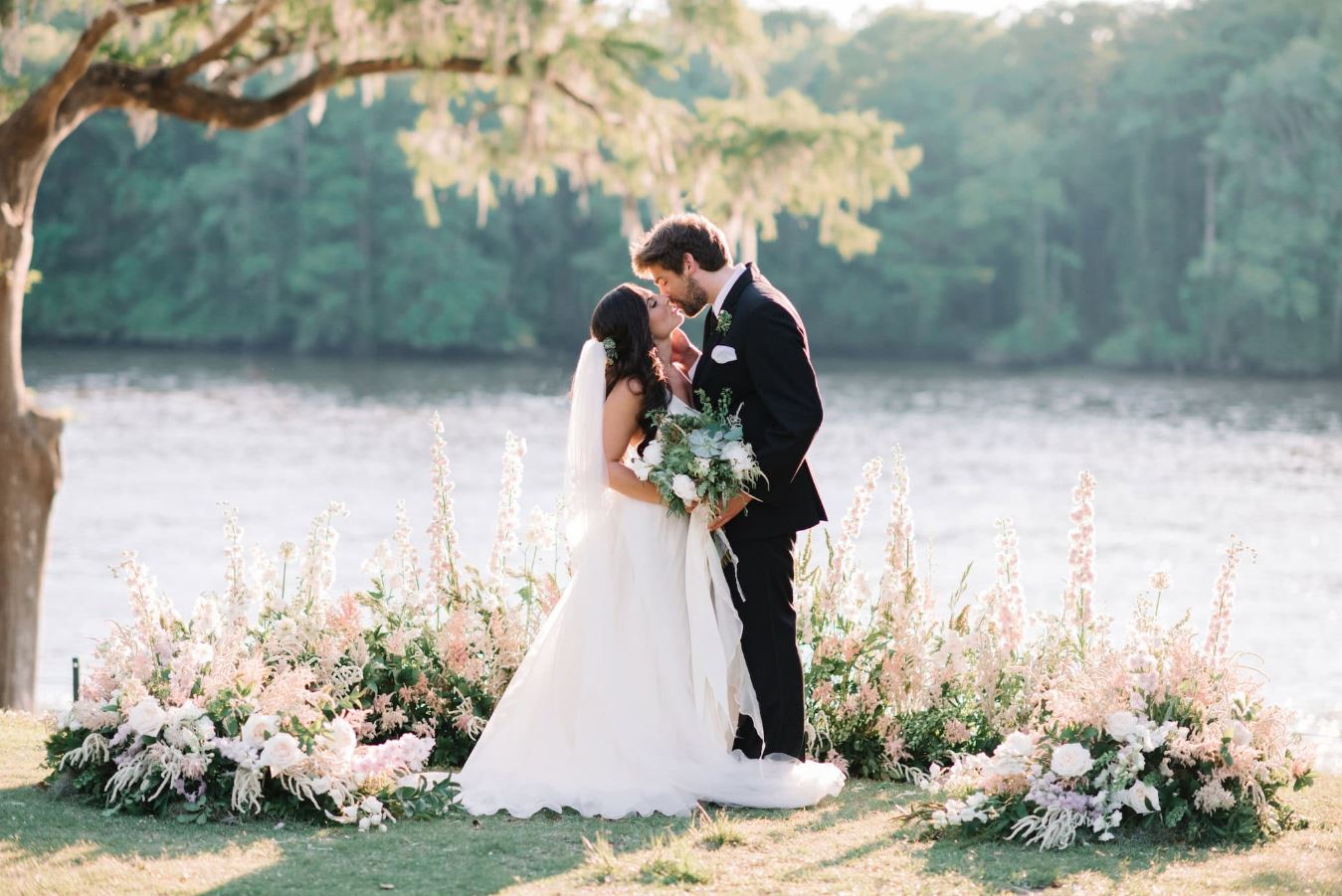
Every photograph taken on a wedding day carries more than just a frozen image. It holds fragments of emotion, gestures of love, and the quiet rhythm of two lives intertwining. The art of wedding photography lies in translating fleeting human emotion into visual poetry. A well-crafted pose does not feel constructed or rigid but unfolds naturally, almost subconsciously. Behind each angle and movement lies a story that reflects personality, chemistry, and connection. Photographers often describe posing as choreography in which the couple becomes both dancer and storyteller, guided by emotion rather than instruction. The secret is not perfection but authenticity. The best poses are those that look unposed, those born in laughter, in nervous glances, in hands that reach instinctively for each other. A wedding pose becomes meaningful when it mirrors the couple’s essence, capturing the way they exist together rather than how they appear apart. It is a delicate balance between artistry and truth, where the camera becomes witness to love’s most unspoken language.
The poetry of posing also extends to the photographer’s awareness of timing. A simple lean, a soft gaze, or a gentle touch can evoke emotion more powerfully than grandeur ever could. Each frame invites a sense of presence, as though time itself pauses to honor the moment. The photographer’s eye becomes the interpreter of this quiet dialogue, translating feeling into form, movement into memory. And when done with care, the result is timeless, a visual narrative that speaks long after the wedding day has passed.
Preparing for the Lens
The journey to capturing flawless poses begins long before the camera is lifted. Preparation helps both the couple and the photographer align their vision. Engagement sessions, often called pre-wedding shoots, serve as the perfect rehearsal. They allow couples to grow comfortable in front of the camera and understand how their natural chemistry translates through a lens. Photographers, in turn, learn their subjects’ comfort zones, favorite angles, and unique mannerisms. This shared familiarity helps transform direction into intuition when the wedding day arrives. The most successful photos often come when the couple trusts the photographer enough to relax and be present.
On the morning of the wedding, preparation continues with mindful attention to detail. From ensuring proper lighting in dressing rooms to timing portraits during the golden hour, every decision affects the final imagery. Poses should never feel rehearsed but flow organically from preparation that allows spontaneity. A good photographer studies body language, anticipates emotion, and frames each shot in a way that allows for imperfection to feel beautiful. Preparation creates the foundation for creativity, ensuring that when the moment arrives, everything unfolds with graceful ease.
The First Look and Its Silent Conversation
Among all the moments captured on a wedding day, few are as emotionally charged as the first look. It is the private unveiling where anticipation meets reality, where nerves dissolve into wonder. The first look provides an opportunity for both authentic emotion and breathtaking imagery. It is also where posing subtly enhances experience rather than interrupts it. Photographers often encourage couples to meet in a quiet space, away from the noise of preparation. The pose begins not with direction but with stillness. The groom turns, the bride steps forward, and in that simple act, everything else fades. The first look’s beauty lies in its vulnerability, tears, laughter, disbelief, all captured in raw form.
For photographers, the key is restraint. Allowing emotion to unfold without intrusion ensures authenticity. Gentle guidance may follow afterward, framing their embrace, their laughter, or the moment they pull back to truly see one another. Some couples choose creative variations, like meeting behind a door or exchanging letters before turning around. Whatever the setting, the pose should always reflect the intimacy of discovery. These photographs become among the most cherished because they capture not a performance but a pure human response, a conversation spoken entirely through glances, gestures, and smiles that need no words.
Guiding Natural Interaction
Photographers often find that the most enduring wedding portraits are born from guided interaction rather than strict posing. Couples feel more relaxed when they are asked to do something together, walk, whisper, dance, or simply breathe. These small actions generate movement, emotion, and rhythm. The goal is to replace stiffness with flow. For instance, a photographer might ask the couple to walk hand-in-hand and look at each other halfway through. This subtle prompt encourages connection and spontaneity. Similarly, asking one partner to whisper a secret or recall their first meeting often elicits laughter or soft emotion, both of which translate beautifully through the lens.
Natural interaction also allows each personality to shine. The playful couple may spin or tease, while the introspective pair may find beauty in stillness. Rather than fitting every couple into a formula, a thoughtful photographer observes and adapts. The best poses often emerge by accident, a shared laugh, an unplanned kiss, a fleeting brush of the hand. By fostering genuine interaction, the photographer becomes more than a director; they become an observer of truth. Each image then carries an authenticity that transcends time, proving that the most powerful poses are often the ones that were never planned at all.
Balancing Elegance and Emotion
Every wedding day is a blend of refinement and raw feeling. Capturing this duality requires precision. Elegant poses provide structure, ensuring the images retain a sense of timeless beauty, while emotional spontaneity breathes life into them. Striking this balance begins with posture and composition. Classic poses like the dip, the forehead touch, or the intertwined hands convey romance through symmetry and grace. Yet, when these moments are softened by laughter or a stolen glance, they transcend artistry and become alive. Photographers must balance technical knowledge, lighting, framing, and perspective, with emotional intelligence. Knowing when to direct and when to step back makes the difference between a photograph that looks beautiful and one that feels alive.
Elegance lies not in perfection but in presence. A gown that catches the wind, a strand of hair falling naturally, or eyes glistening with emotion can enhance rather than detract. Emotion anchors beauty, preventing it from becoming sterile. When photographers guide couples into poses that invite both refinement and feeling, the result is visual harmony. These are the images that hang on walls for decades, reminding couples not only of how they looked but of how they felt.
Poses That Tell Stories
Each pose on a wedding day contributes to a larger narrative. A good photographer understands how to sequence images to create an emotional journey rather than isolated portraits. The morning preparation captures anticipation, the first look captures revelation, the ceremony captures unity, and the reception captures release. Within each chapter, specific poses add texture and meaning. For example, photographs of the couple framed between architectural arches can symbolize passage or transformation. Wide shots of the bridal party walking together evoke camaraderie, while close-ups of clasped hands or exchanged glances focus on intimacy. Every pose should serve the story’s rhythm.
Storytelling through posing also benefits from visual variety. Alternating between posed portraits and candid moments keeps the collection dynamic. The photographer acts almost like a filmmaker, framing scenes that reveal both grandeur and detail. A veil caught in motion, a laugh shared in the middle of a dance, or a quiet glance exchanged during dinner, all of these are narrative moments disguised as poses. The artistry lies in curating them cohesively, ensuring that when the couple looks back years later, the photographs feel like pages from a story they once lived rather than pictures they once took.
The Power of Light and Angle
Light transforms the ordinary into the extraordinary. It shapes emotion, defines texture, and breathes depth into poses. A skilled photographer understands that posing does not exist in isolation but in dialogue with light. Natural light offers warmth and softness, perfect for romantic portraits, while shadows add drama and mystery. Golden hour, the time just before sunset, bathes skin tones in gentle hues, making every movement appear ethereal. Photographers often position couples at angles that capture light falling across their faces or bodies, emphasizing tenderness and depth. Indoors, windows serve as natural diffusers, creating compositions that feel cinematic.
Angles, too, play a vital role. Shooting slightly from below elongates the frame and conveys strength, while overhead shots introduce intimacy and abstraction. Experimentation allows for innovation. Tilting perspectives or framing through objects like flowers or mirrors adds layers of storytelling. The interplay between light, angle, and movement transforms posing into visual music. Each frame becomes a note in the symphony of the day, harmonizing artistry and authenticity. When light touches emotion just right, even the simplest pose becomes unforgettable.
Including Family and Bridal Party Moments
While the couple remains the heart of wedding photography, the supporting cast completes the emotional landscape. Family and bridal party poses bring collective warmth and depth to the story. Coordinating these group shots requires both precision and patience. The key is to maintain energy and connection rather than rigidity. Instead of lining everyone in rows, photographers can create natural clusters, encouraging interaction and laughter. Parents might embrace, friends may share inside jokes, and siblings might playfully tease. Each expression adds realism, turning what could be a formal portrait into a living memory.
For family portraits, emotion often emerges naturally when the photographer creates comfort. Asking parents to hold hands or whisper a blessing into the bride’s ear transforms the shot from static to soulful. Bridal party poses thrive on dynamics, walking shots, group lifts, or synchronized gestures inject fun and personality. What binds these images together is authenticity. They should reflect not just who stood beside the couple but why they mattered. These photographs serve as visual gratitude, honoring every relationship that helped bring the wedding day to life.
The Timelessness of a Well-Captured Pose
When the last dance ends and the celebration fades into memory, it is the photographs that keep the day alive. A well-captured pose holds the power to transcend time, becoming an heirloom that bridges generations. It reminds future viewers not only of a moment but of an emotion, a connection, a truth. The artistry of wedding day posing lies in subtlety, knowing that every tilt of the head, every clasp of a hand, every lingering glance carries meaning. The photographer’s role is not to fabricate beauty but to uncover it, to witness and translate love as it naturally unfolds. In that translation, something eternal is created. Long after the vows have been spoken and the flowers have faded, these images remain as quiet testaments to love’s enduring grace, a visual echo of the day when everything stood still, and the world paused to watch two souls become one.