

The Fabric of Forever
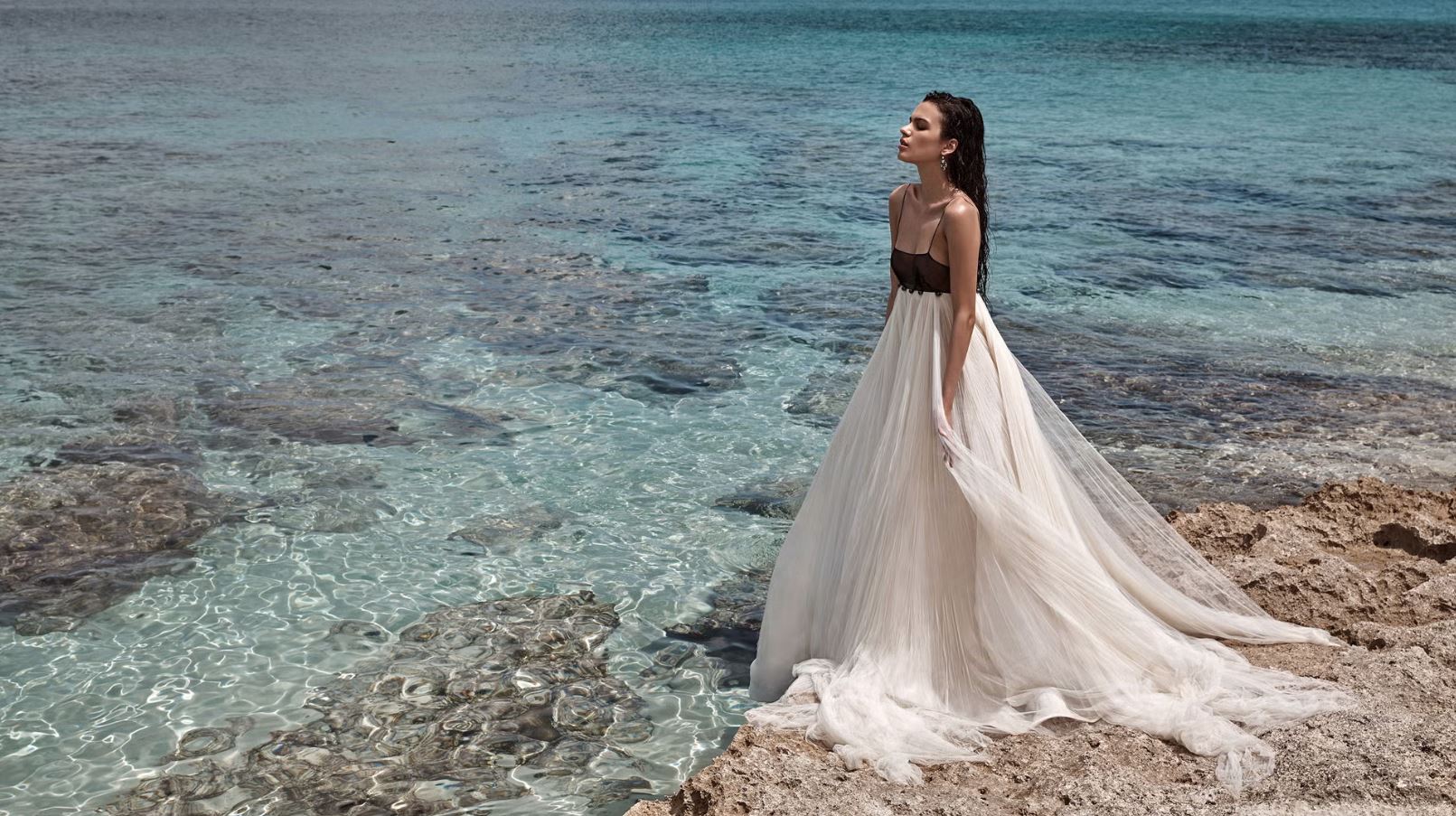
Wedding Dresses Weave Emotion, Memory, and Modern Elegance
The Birth of a Vision
Every wedding dress begins as a dream, a whisper of imagination that exists before fabric or thread. It starts with emotion, not design. A woman imagines how she wishes to feel when she walks into that sacred space, when every gaze meets her presence, and when the weight of the moment settles around her like soft light. Before sketches, there is longing. Before patterns, there is story. The wedding dress becomes the translation of that story into form, a physical manifestation of memory and hope intertwined. It must capture personality while echoing tradition, combining individuality with symbolism. The journey toward finding or creating the right gown is as intimate as the promise it celebrates. Designers often describe this process as sculpting emotion, shaping it into something tangible that reflects the soul beneath the surface. Each gown is a dialogue between fantasy and reality, guided by intuition and shaped by craftsmanship. It is born not from trend but from feeling, for every bride’s vision holds a language that only her gown can truly speak.
This birth of vision often begins in quiet moments. A woman scrolling through sketches, touching fabric swatches, or watching light fall across lace realizes what resonates with her. It is not the silhouette alone that captures her heart but the feeling that comes with it. The perfect gown does not shout beauty; it whispers belonging. It allows her to see herself not as an image but as an essence reflected in the mirror. That realization marks the beginning of transformation, both artistic and emotional. From that instant forward, every choice moves toward capturing a single moment that will live for a lifetime.
The Soul of Craftsmanship
Behind the delicate folds of every wedding gown lies an orchestra of artisans whose hands shape fabric into art. Seamstresses, pattern makers, embroiderers, and tailors each contribute their skill to breathe life into a designer’s vision. The process is meticulous and reverent. Every bead, every cut, every invisible stitch carries intention. Craftsmanship in bridal fashion is a slow art, one that defies haste. It requires patience, devotion, and empathy for the person who will wear the creation. The gown is not simply assembled; it is nurtured into existence. Materials are chosen not only for their beauty but for how they will move, how they will catch light, and how they will feel against skin. The tactile experience matters as much as the visual one.
Even the smallest details, invisible to most eyes, hold emotional weight. The lining that touches the bride’s heart, the hidden seams that keep the silhouette pure, and the quiet symmetries that balance design all reflect a tradition of excellence passed down through generations. Many couture houses still rely on techniques developed over a century ago, proving that true artistry is timeless. In a world driven by speed, wedding dress craftsmanship remains one of the last sanctuaries of deliberate creation. Each gown becomes a vessel for memory, carrying with it not only the story of the bride but the legacy of those who crafted it. The soul of the dress resides in those unseen hours of devotion that transform raw material into something worthy of forever.
The Meaning of Shape and Movement
Silhouette defines presence. In wedding fashion, the cut of a gown carries meaning beyond aesthetics. It dictates how a bride moves, how she inhabits space, and how emotion flows through her body. The ball gown commands grandeur, filling the room with regality. The mermaid silhouette celebrates sensuality, tracing the contours of confidence. The A-line balances grace with structure, a bridge between classic and contemporary. Meanwhile, minimalist column dresses speak in quiet tones of sophistication. Each shape holds a kind of energy, and that energy becomes part of the ceremony itself. Designers understand that movement is as important as design. A gown must not restrain but liberate. It should move like water, flowing with rhythm rather than resistance.
Movement in fabric becomes choreography. The train following a bride’s step, the way tulle lifts in the air as she turns, the soft rustle of silk against the floor, these sensations become sensory poetry. The visual composition of the day relies on how the gown interacts with its environment. Whether under candlelight, sunlight, or moonlight, movement gives the dress breath. It transforms it from a garment into an experience. A perfectly chosen shape frames emotion without overshadowing it. It complements the moment rather than controlling it. That harmony between design and motion defines the very spirit of a wedding gown: art in motion, elegance made alive.
The Emotional Palette of Fabric
Fabric speaks through texture. It is the language through which emotion finds its tactile form. Satin offers calm brilliance, reflecting light with quiet strength. Lace whispers intimacy, delicate and infinite in detail. Organza holds air like music, while crepe brings simplicity into focus. The texture a bride chooses says something profound about how she sees herself within the story of the day. Some choose the grandeur of layered tulle that builds volume like dreams piled high. Others choose silk charmeuse that glides against skin as naturally as breath. There is no hierarchy in fabric, only different dialects of beauty. The combination of materials can evoke contrast and depth, just as the layering of emotions does in love itself.
Modern designers experiment with new blends, combining traditional fabrics with unexpected materials. Hand-painted silk, metallic threads, or recycled textiles now find their place in contemporary bridal fashion. These innovations create texture that feels both personal and sustainable. What remains constant is the tactile intimacy of the material. When a bride touches her gown for the first time and feels its weight, smoothness, and softness, she is feeling her future made tangible. The fabric becomes a companion, holding her story close against her body. Through it, she feels both grounded and transcendent, human and ethereal, real and dreamlike. Fabric is emotion turned physical, and it will forever define how memory feels to the touch.
The Transformation of Tradition
Wedding dresses have always carried cultural and emotional significance. Across centuries and continents, they have reflected the values, artistry, and identity of communities. What was once a symbol of purity has evolved into an expression of individuality. Modern brides no longer wear tradition; they interpret it. The white gown remains iconic, yet it now shares space with color, texture, and personalization. Champagne hues, soft pinks, and silvery undertones offer alternatives to convention without erasing its roots. The meaning of the gown has grown more inclusive, honoring diversity and heritage in new ways. Brides today incorporate embroidery inspired by their ancestors, textiles woven in their home regions, or patterns that tell family stories. This fusion transforms tradition into living art.
Designers, too, are rewriting the codes of bridal identity. They merge modern minimalism with historical craftsmanship, blending global influences into designs that speak to the universality of love. A gown inspired by Japanese silk painting may feature French lace. A silhouette drawn from Renaissance portraits may be constructed with contemporary sustainability. The marriage of past and present within design mirrors the union it celebrates. Each gown becomes an artifact of evolution, carrying the wisdom of history into the freedom of now. Tradition no longer restricts creativity; it fuels it. Through transformation, bridal fashion continues to prove that love is timeless precisely because it never stops changing.
The Journey of Choice
Selecting a wedding dress is one of the most emotional experiences in a bride’s journey. It is not a simple decision but a dialogue between self-image and aspiration. Each fitting reveals something deeper about identity. The process invites vulnerability, reflection, and discovery. Brides enter boutiques expecting to find a dress, but they often find a version of themselves instead. That moment when the right gown appears is transformative. The mirror stops reflecting fabric and starts reflecting feeling. The gown becomes part of the bride’s sense of belonging to the day, an affirmation of how she wishes to step into her new chapter. This journey is not just about choosing beauty but defining self-expression.
The social aspect of this decision also shapes memory. Friends, family, or partners who accompany the bride become witnesses to that revelation. Their reactions add layers of meaning to the experience. Tears, laughter, and silence all mingle within that sacred space of decision. Even in solitude, the moment holds profound resonance. The chosen gown often becomes a memory even before the wedding, a symbol of transformation and anticipation. In that moment of choice, the abstract concept of forever feels tangible. It becomes a memory in the making, captured not through photographs but through feeling. The right gown becomes not just something to wear but something to remember oneself by.
The Dialogue Between Designer and Dreamer
The relationship between designer and bride is a creative partnership built on trust. The designer acts as interpreter, transforming abstract emotion into wearable form. Every conversation, sketch, and fitting is part of a delicate translation process. The designer listens for cues in how the bride speaks about her vision, whether she emphasizes movement, comfort, or storytelling, and translates those feelings into line, shape, and fabric. This collaboration bridges art and empathy. It requires both technical precision and emotional intelligence. A great designer understands that the dress is not about fashion alone but about transformation. Their role is not to impose a style but to reveal one.
During this process, adjustments become acts of refinement. Each fitting is a dialogue in progress. Hemlines shift, fabrics drape differently, and details evolve. What emerges from this collaboration is more than a garment; it is a shared creation. Designers often say they can feel when a gown is right, not because of its perfection but because of its harmony. The bride moves, smiles, and breathes differently. That shift signals success. The designer’s purpose is fulfilled when art disappears into experience, when the gown ceases to be an object and becomes an extension of emotion. This dialogue leaves behind not only a finished gown but a connection between creator and wearer that outlives the day itself.
The Memory After the Moment
After the ceremony, the gown takes on a second life. It becomes an artifact of memory, holding traces of the day within its folds. Perfume, laughter, and even the faint mark of a dance step remain imprinted in the fabric. Some brides preserve their gowns in boxes, while others pass them to daughters, friends, or museums. Each choice represents a continuation of story. The gown’s meaning evolves with time. What once symbolized a single day begins to represent continuity. It becomes part of personal history, a reminder of how love once took visible form. In its preservation, the dress transforms from fashion into relic, a piece of living heritage.
Photographs may fade, but fabric endures differently. When unfolded years later, the gown still holds weight and warmth. It carries the energy of the day, the presence of the person who wore it, and the artistry of those who made it. It is both past and present in one form. This is why wedding dresses remain powerful objects, they remind us that beauty can hold memory and that memory can remain beautiful. Every gown tells two stories: the one written on the day it was worn and the one that unfolds each time it is remembered. Through that remembrance, the dress continues to live long after the final vow has been spoken.
The Eternal Silhouette
In the end, the wedding dress stands as a silhouette of timeless emotion. It captures the moment when love becomes visible, when promises find their physical form. More than attire, it is an heirloom of feeling, artistry, and devotion. Every seam tells a story of creation, every thread binds one chapter of life to another. Across centuries, across cultures, the wedding dress remains the ultimate symbol of beauty meeting meaning. It reminds the world that even as fashion changes, the desire to honor love through art remains constant. The gown may rest in silence after the ceremony, but within its stillness lies eternity, waiting to be remembered in every heart that believes in forever.