

The Poetry of a Perfect Setting
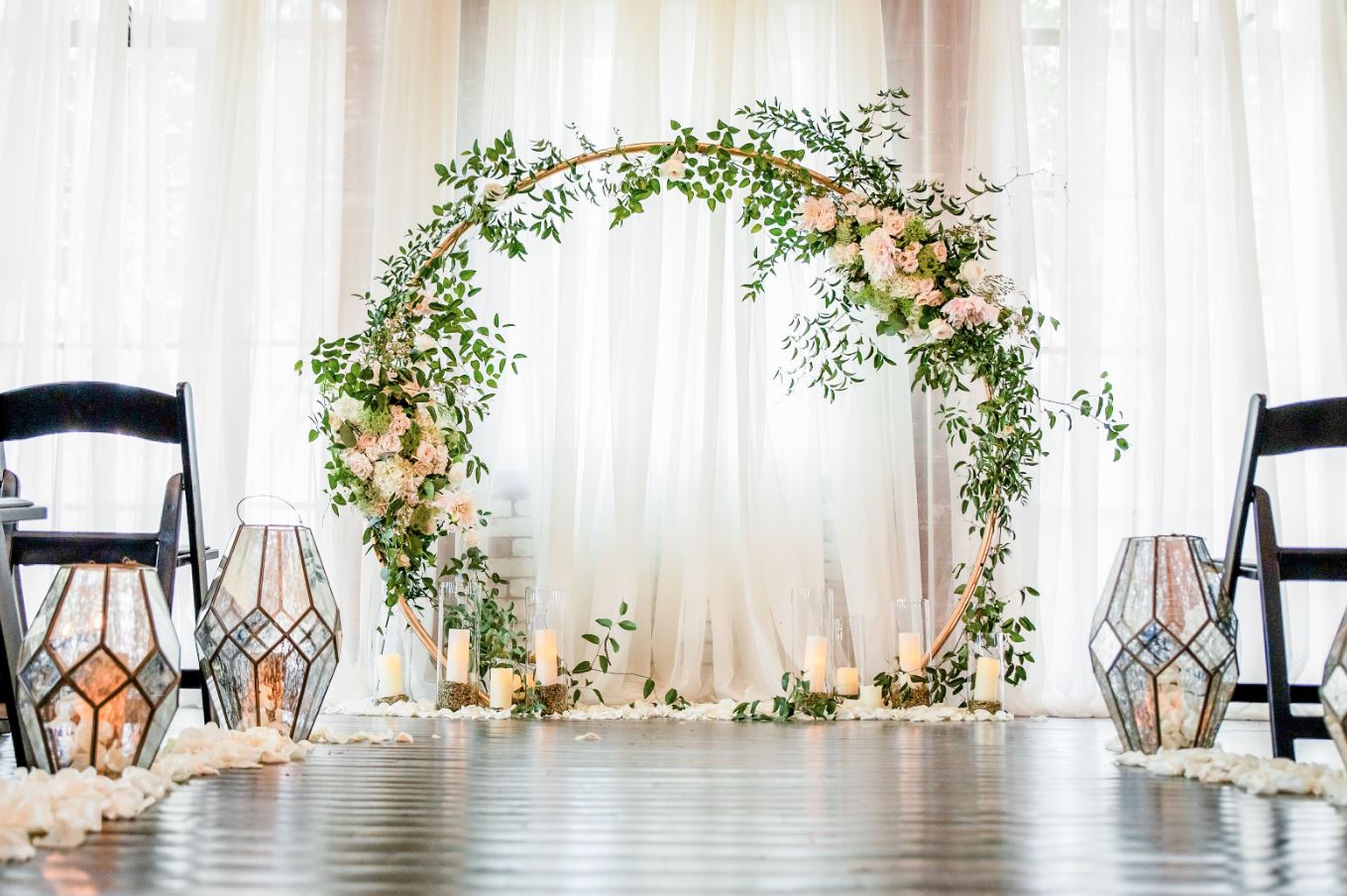
The Thoughtful Design Turns Spaces into Stories of Love and Memory
The Meaning of Atmosphere
Every wedding begins with a feeling. Before a single guest arrives, before the music swells or the vows are spoken, the space itself whispers the story of what is about to unfold. Wedding decor is not decoration for the sake of beauty, it is the emotional architecture that shapes the experience. The choice of colors, textures, and lighting speaks in ways words cannot. The design becomes a language of love, translating emotion into sight, touch, and atmosphere. When done with purpose, decor creates not just a setting but a memory. It welcomes guests into the couple’s world, immersing them in a visual poem that expresses who they are together. The most unforgettable weddings are not defined by extravagance but by authenticity. Every candle, petal, and fabric drape tells a story of intention. The art lies in creating an environment that feels alive, breathing with the same rhythm as the people it celebrates.
Atmosphere begins long before setup. It starts with vision. The couple’s essence, their history, and their dreams form the foundation. The decorator becomes a storyteller, weaving aesthetics with emotion. The outcome is harmony, a seamless blend of color and light that resonates with heart. A wedding venue without atmosphere feels like an empty stage. But when decor and emotion meet, the venue transforms. It becomes a living extension of the love it honors. The air feels charged, the walls seem to listen, and every guest senses the invisible presence of something timeless.
The Power of Color and Texture
Color is the pulse of design. It sets the emotional tone long before a single word is spoken. In weddings, color carries deeper meaning. Ivory speaks of purity, blush whispers romance, gold conveys warmth, and deep emerald evokes serenity. The palette chosen by a couple becomes a reflection of their shared spirit. Pastel hues create softness and calm, while bold contrasts ignite passion and energy. The success of decor depends on how these tones interact, blending emotion and elegance. Texture enhances this language. The combination of velvet, linen, glass, and greenery introduces layers of sensory richness. Every material chosen affects how light behaves and how guests feel as they move through the space.
The relationship between color and texture is intimate. A matte surface softens brightness, while reflective accents amplify depth. Smooth fabrics flow gracefully beneath chandeliers, while rough natural elements ground the design with organic authenticity. The modern approach to wedding decor often balances contrast: pairing soft with structured, vintage with modern, and minimalist with ornate. This tension creates visual poetry. It mirrors the balance found in love itself, where harmony exists not in sameness but in unity through difference. The thoughtful selection of hues and materials turns decoration into emotion embodied in form.
The Role of Lighting as Emotion
Lighting is the invisible artist of every celebration. It has the power to transform mood, direct focus, and create intimacy. A well-lit space can make even the simplest venue feel enchanted. Lighting serves as both painter and poet, layering the decor with dimension. Candlelight introduces warmth and vulnerability, while fairy lights evoke wonder and nostalgia. Chandeliers add grandeur, and soft uplighting builds ambiance without intrusion. In modern design, lighting is no longer just functional but deeply emotional. It sculpts atmosphere and defines moments. The way it falls on floral arrangements or dances across the fabric of a gown can elevate the entire visual experience.
Each phase of the wedding day demands a different tone. The ceremony calls for clarity and softness, inviting vulnerability and reflection. The reception thrives on energy, favoring dynamic illumination that evolves as the night unfolds. Some designers use programmable lighting to mirror emotion, shifting tones as the music or mood changes. The artistry lies in subtlety. The best lighting feels invisible, guiding the eye without overpowering the senses. It enhances without announcing itself. When mastered, light becomes the soul of decor, reminding everyone that love, too, glows most beautifully when gently illuminated.
The Dialogue Between Nature and Design
Floral design has long been the heartbeat of wedding decor. Flowers embody life’s fleeting beauty, mirroring love’s vibrancy and impermanence. Their presence softens structure and connects celebration with the natural world. Modern floral arrangements extend beyond bouquets and centerpieces, integrating with architecture and light. Hanging installations, floral walls, and asymmetrical arrangements now define contemporary aesthetics. The artistry lies not in abundance but in storytelling. Every petal placed carries meaning, every arrangement tells of rhythm and emotion. A single stem can evoke more feeling than an entire garden if it is positioned with intention.
The use of natural elements expands beyond florals. Greenery, wood, stone, and water features bring grounding energy to spaces otherwise filled with fabric and sparkle. They remind guests that beauty does not always require perfection. A branch’s irregular curve or a stone’s raw edge can add character and authenticity. Nature’s imperfection harmonizes with human emotion. When design honors organic form, the decor breathes. Sustainability has also become central to modern wedding design. Couples now seek eco-conscious choices, preferring local blooms, reusable installations, and biodegradable materials. This shift reflects love’s evolution toward care and respect, for each other, and for the world that holds their promise.
The Table as a Microcosm of Celebration
Among the most intimate elements of wedding decor is the reception table. It is where guests gather, share stories, and experience the essence of the couple’s hospitality. Every detail here, from linens to lighting, contributes to the memory of the event. The table becomes a canvas of emotion and taste. Centerpieces anchor the design, balancing height and proportion. The color palette must flow seamlessly from flowers to napkins, from cutlery to candle holders. Texture once again plays a role, as combinations of materials create layers of sophistication. The modern wedding table favors personal touches: handwritten notes, custom menus, or subtle motifs that connect with the broader theme.
The seating arrangement itself carries meaning. It dictates the flow of conversation and connection. Round tables foster community, while long banquet-style arrangements encourage intimacy and storytelling. The placement of decor items must support not just beauty but comfort. A well-designed table invites ease, allowing guests to engage freely without visual clutter. When done thoughtfully, the reception table transcends function. It becomes a stage for laughter, toasts, and shared joy. Every glass lifted reflects not only light but the harmony of design surrounding it. The table reminds us that love, like celebration, is best when shared in closeness and comfort.
The Art of Theme and Consistency
Every wedding tells a story, and decor is the language through which that story unfolds. The theme unifies all elements, ensuring visual and emotional consistency. Whether classic elegance, rustic charm, modern minimalism, or whimsical fantasy, the chosen theme sets the emotional register. Yet the most successful designs avoid imitation. They do not simply copy trends but interpret them through personal meaning. A minimalist wedding might embrace negative space as elegance rather than absence. A bohemian celebration might use color and texture to express freedom rather than excess. The theme should serve the couple’s personality, not constrain it.
Consistency does not mean repetition. It means cohesion. From invitation design to ceremony backdrop, from floral choices to table decor, every element should feel like part of one world. This harmony allows guests to immerse themselves fully, moving through each space without disruption. The smallest details, fonts, fabrics, or fragrances, reinforce identity. The goal is to create an emotional landscape where everything belongs. When theme and authenticity align, decor transcends trend and becomes timeless. It no longer feels designed but inevitable, as if the space had always been waiting for that particular love story to unfold within it.
The Movement of Space and Flow
Decor is not static art. It lives through motion, guiding how guests move, see, and feel throughout the celebration. The spatial flow determines whether the experience feels cohesive or fragmented. A well-designed layout considers both visual and emotional journeys. Guests should transition naturally from one environment to another, ceremony to cocktail hour, dinner to dancing, without abrupt disconnection. Pathways lined with flowers, subtle signage, and lighting cues help navigate this flow. The design must anticipate human behavior: where people will pause, where they will linger, and where emotion will crescendo.
Movement also applies to the eye. The arrangement of decor elements should direct focus effortlessly. Focal points anchor the space, while gradients of height and light guide attention. This principle, known in design as rhythm, mirrors the emotional pacing of the event itself. Moments of awe should alternate with moments of calm. The visual choreography must echo the narrative of the wedding day. When executed well, space becomes invisible architecture of experience. Guests do not consciously notice the design, yet they feel its harmony. This is the quiet mastery of decor, the ability to guide emotion without ever commanding attention.
The Intimacy of Detail
Grand gestures capture photographs, but details capture hearts. The texture of a ribbon, the scent of a candle, the shimmer of glass in soft light, these elements leave the deepest impression. Decor thrives in the small. It is in the way napkins are folded, how name cards reflect handwriting, or how the couple’s initials are hidden subtly within patterns. Details become the language of care, showing thoughtfulness and devotion. They prove that love resides not only in the monumental but in the meticulous. Guests may not recall every color or shape, but they will remember how the space made them feel. That feeling is built on detail.
The best decor details often go unnoticed individually, yet together they create harmony. Each contributes a note to the overall melody. A wedding infused with attention to detail reflects mindfulness, a recognition that beauty lives in the spaces between. Even scent plays an underrated role. Fragrance, when used subtly, can transport memory. The aroma of roses, lavender, or vanilla lingers long after the music fades. When all senses are engaged, decor transcends aesthetics. It becomes immersive, transforming the environment into memory itself.
The Soul of Design
When the last guest leaves and the lights grow dim, what remains of the wedding is not the decor itself but the feeling it created. The soul of design lies in its ability to evoke emotion that endures beyond the event. True wedding decor does not exist to impress but to express. It mirrors the essence of two people choosing each other, transforming ordinary materials into sacred space. Every flower fades, every candle burns out, but the memory of how it felt to stand within that light endures. The art of decor, then, is not to decorate love but to reveal it. It reminds us that beauty is not static, that it lives in the connection between place and emotion. In the language of light and bloom, every detail speaks of forever.