

The Story Woven in Every Curl
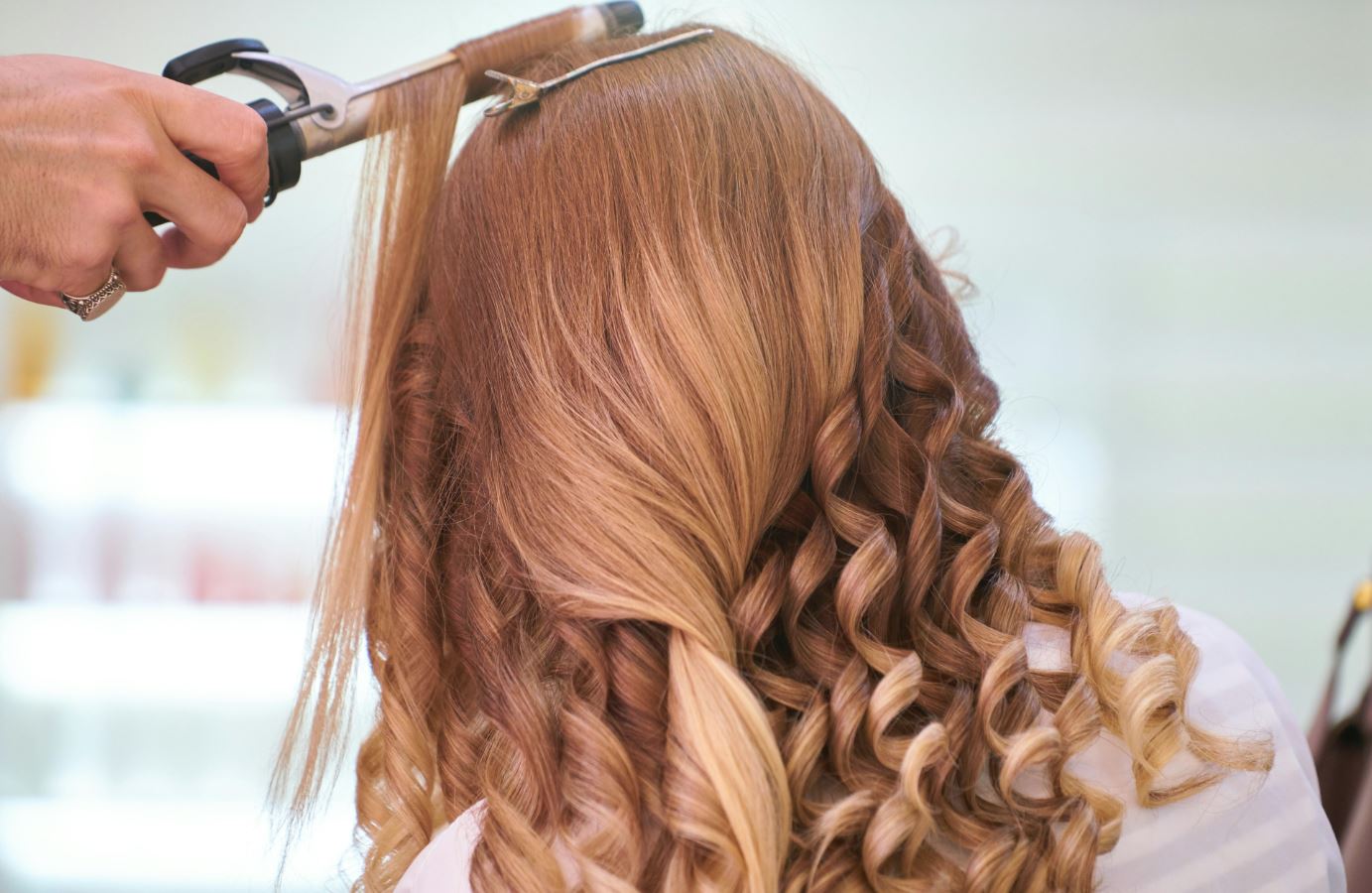
The Bridal Hairstyling and the Stories It Weaves
The Art of Movement and Form
Hair, in the context of a wedding, becomes more than a strand of beauty. It becomes motion captured in stillness, a language that speaks of character, memory, and mood. A bridal hairstyle is a design that reflects emotion rather than just aesthetics. It interprets who the bride is and how she wishes to feel on the day her life changes shape. The artistry lies not only in arrangement but in understanding texture, volume, and flow. A skilled stylist looks beyond trends to study how the hair falls naturally, how it frames the face, and how it interacts with the environment. The result should never feel forced but harmonious, as if every curl and wave already belonged to that moment. Hairstyling, when done with intention, becomes a quiet act of storytelling through form and movement.
The hair’s relationship with air, fabric, and light plays a central role. A strand catching sunlight or a loose tendril moving with the breeze brings vitality to photographs and memory alike. Every flicker of motion captures spontaneity against the structure of ceremony. That contrast, discipline meeting freedom, is what defines true artistry in bridal hairstyling. It acknowledges imperfection as beauty and fluidity as truth. Just as a love story evolves, so too should the hairstyle breathe, shifting gently as the day unfolds.
The Emotional Blueprint of Style
Before the first pin is placed or the first curl is shaped, there is conversation. Hairstyling begins not with tools but with emotion. The stylist listens, absorbing the bride’s vision, personality, and atmosphere of the wedding. A classic chignon might suit a soul of timeless grace, while loose waves might belong to someone wild at heart. Each choice mirrors mood as much as occasion. Through color, texture, and line, the hair translates feeling into design. It becomes a form of silent language where personality is sculpted strand by strand. The process is intimate because it connects what the bride feels inside with what the world will see.
In many ways, hairstyling echoes architecture. There is structure, proportion, and rhythm. But unlike stone or metal, it is alive and unpredictable. The stylist must sense the balance between control and softness, symmetry and spontaneity. When achieved, the style feels inevitable, as if it could not exist any other way. The emotional blueprint becomes visible not in what the hair looks like but in how it moves. Every twist carries intention, every curve follows intuition. It is a reminder that beauty has more to do with alignment than perfection.
The Influence of Culture and Heritage
Throughout history, bridal hairstyles have reflected cultural values, traditions, and beliefs. From intricate braids adorned with flowers in Indian ceremonies to elegant buns covered with veils in Western traditions, hair has always carried symbolic weight. In many cultures, it represents purity, prosperity, or transformation. Modern brides often blend these ancestral styles with contemporary elements, creating expressions that honor the past while embracing individuality. The hair becomes a bridge between heritage and personal choice. Each braid or pin tells a layered story that stretches across generations.
Even within cultures, symbolism evolves. The traditional red adornments worn in Eastern weddings or the pearl-studded combs in European ones have gained new interpretations. What remains constant is meaning. When a bride chooses to wear her hair in a certain way, she is participating in a ritual older than herself. She honors the women who came before her while declaring her own identity. The stylist becomes a custodian of memory, shaping strands not just for beauty but for continuity. In this way, hairstyling transcends vanity. It becomes a celebration of roots, transformation, and belonging.
The Architecture of Balance
Every great bridal hairstyle rests upon balance. It is not enough for it to be beautiful from one angle, it must harmonize from every perspective. The front, the sides, and the back each tell a different part of the story. The stylist must think three-dimensionally, crafting volume and proportion that complement the face, dress, and jewelry. A hairstyle too grand can overshadow the gown, while one too minimal may seem incomplete. Balance ensures that all elements coexist in visual unity. The hair supports the overall silhouette rather than competes with it.
Texture plays a vital role in achieving this equilibrium. Soft curls can add volume where needed, while sleek strands introduce refinement. Accessories, such as pins or tiaras, serve as punctuation marks in the design, guiding the eye subtly rather than demanding attention. The goal is coherence, a look that feels like an extension of the bride’s essence. When balance is achieved, the style appears effortless, as though the hair naturally found its form in harmony with the woman it adorns. This illusion of effortlessness is the highest form of mastery, where technique disappears and only grace remains.
The Evolution of Bridal Hair Through Eras
Hairstyling for weddings has evolved through centuries of changing ideals. In the early twentieth century, structured curls and polished waves symbolized elegance and restraint. The mid-century introduced softer updos, influenced by film icons whose glamour redefined femininity. The late twentieth century brought freedom, bohemian braids, loose buns, and natural textures that embraced individuality. In the current age, bridal hair exists beyond rules. It merges vintage sensibility with modern creativity. A bride might choose a minimalist low bun inspired by royal aesthetics or a cascade of curls evoking romantic spontaneity. The possibilities are as diverse as love itself.
Trends now reflect inclusivity and authenticity. Textured hair, once underrepresented, has found its rightful celebration. Natural coils, waves, and braids are no longer altered but accentuated. Hairpieces, from fresh flowers to jeweled combs, serve as reflections of personal expression rather than societal standard. This shift marks an important evolution: beauty defined not by conformity but by honesty. Hairstyling becomes a mirror of cultural openness, where every texture and shade is honored. It reminds us that style, like love, grows richer when it embraces diversity.
The Science of Endurance and Comfort
Behind the beauty of every bridal hairstyle lies technical precision. A hairstyle must not only photograph well but also endure through hours of movement, emotion, and climate. This requires knowledge of products, tools, and environmental conditions. The stylist must anticipate how humidity, temperature, and fabric interaction will affect the result. Strong yet flexible holds, strategic layering, and weight distribution ensure that the hair retains shape without strain. It is a delicate balance between structure and softness, where the bride feels secure yet natural.
Comfort is equally essential. The bride’s experience depends on how the style feels as much as how it looks. Too many pins can cause tension, while excessive spray can dull natural sheen. The ideal style feels almost invisible, secure yet free, polished yet breathable. Modern techniques, like air setting and micro-pinning, allow for more lightweight designs. This technical finesse ensures that beauty does not come at the cost of ease. The science behind hairstyling, though unseen, supports the magic that guests and photographers admire. It keeps every strand in harmony long after the vows are spoken.
The Dialogue Between Hair and Accessories
Accessories in bridal hairstyling are not afterthoughts but essential partners in design. Veils, tiaras, combs, and florals must complement the form and flow of the hairstyle rather than interrupt it. The dialogue between hair and accessory defines the overall aesthetic. A crown demands a foundation of volume and balance, while delicate pins pair best with minimalist structures. Flowers introduce organic texture, while pearls and crystals lend sophistication. The choice depends on narrative. Does the bride wish to appear regal, ethereal, or modern? Each combination tells a different story through visual rhythm.
The placement of accessories also shapes emotion. A side comb can draw attention to a smile, a low veil can add mystery, and scattered pins can mimic stars in a night sky. Modern stylists often use asymmetry to create intrigue, breaking from the predictability of central alignment. The key is restraint, knowing when to add and when to stop. The accessory should feel inevitable, not imposed. When harmony exists between ornament and form, the hairstyle achieves completeness. The bride’s reflection becomes a symphony of texture, light, and symbolism woven seamlessly together.
The Personal Signature of Authenticity
Beyond all artistry and design, the most memorable bridal hairstyles are those that feel true. Authenticity transforms beauty into intimacy. A hairstyle that mirrors the bride’s natural self always surpasses one that imitates another’s image. It captures comfort, familiarity, and sincerity. Some brides choose to wear their hair as they always have, only refined to match the occasion. Others reinvent entirely, expressing inner growth through change. Both are valid because both arise from honesty. The essence of authenticity lies in choice, not conformity.
Authentic styling also considers the rhythm of daily life. A bride whose laughter is spontaneous should not wear a rigid updo that resists movement. A minimalist spirit might favor loose textures that mirror her ease. In contrast, a bride drawn to precision might find strength in sleek sophistication. Each decision becomes a declaration of identity. Authenticity allows confidence to replace self-consciousness. It gives the bride the freedom to exist fully in her joy. When authenticity guides styling, beauty becomes unshakable because it begins within rather than upon.
The Whisper Before the Aisle
As the final pins are set and the last strand adjusted, there comes a still moment, the quiet before the procession begins. The bride breathes, feeling the gentle weight of her hair, the balance between grace and freedom. This is more than preparation; it is culmination. The hairstyle now carries more than design. It holds memory, care, and transformation. It frames a face that will be remembered in countless photographs, but more importantly, in the hearts of those who witness it. The strands that moved under careful hands now move freely with wind and laughter. They tell a story of time, artistry, and love interwoven. And as she steps forward, the hair becomes what it was always meant to be, not an accessory, not a display, but a living expression of her most luminous self.