
Voices That Hold the Heart of the Room
Wedding Speeches Turn Ordinary Words into the Language of Forever
The Silence Before the First Word
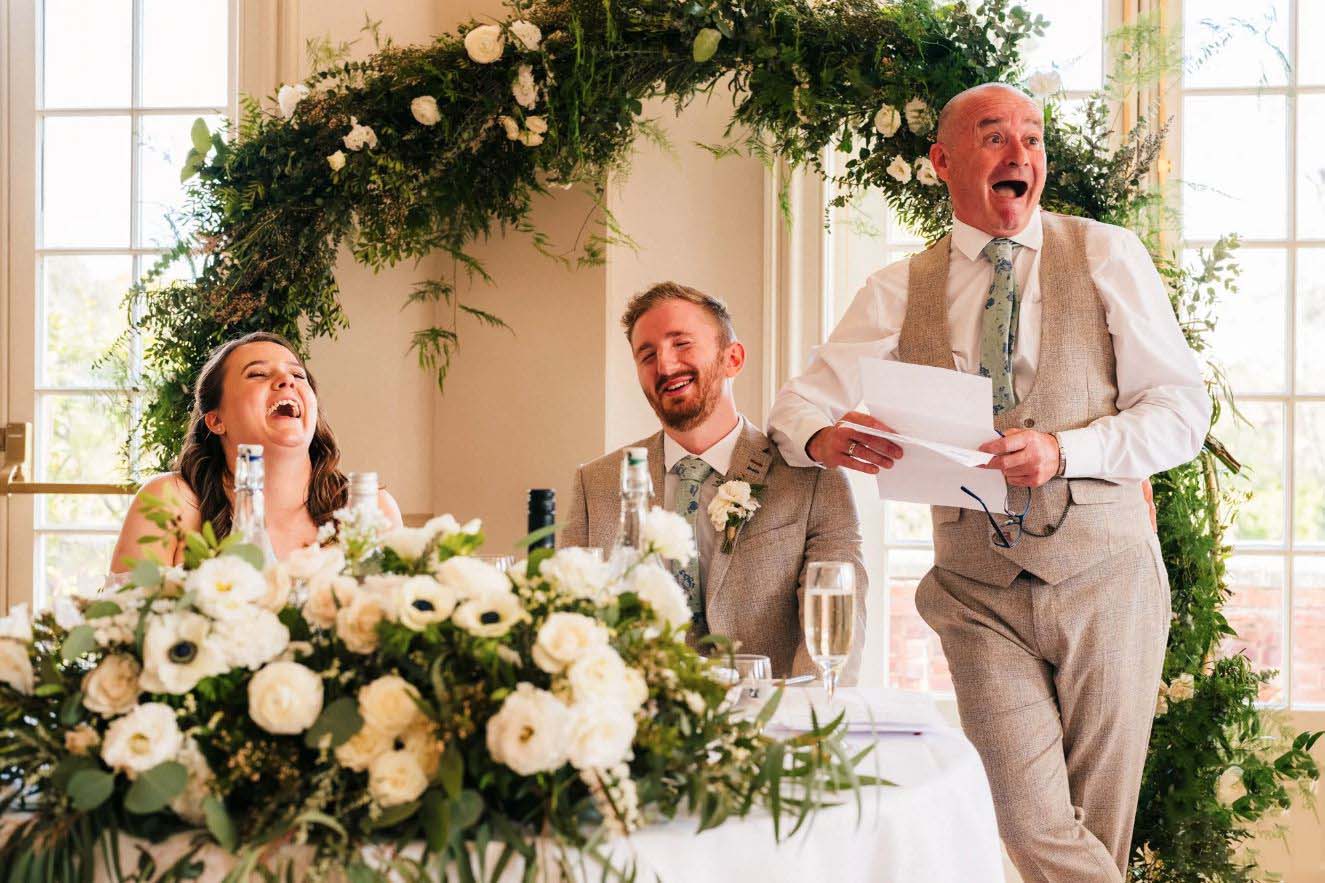
There is a particular hush that falls before a wedding speech begins, a silence both heavy and gentle, filled with expectation. It is the kind of pause that carries more meaning than noise ever could. In that moment, every guest leans slightly forward, every breath seems suspended, and every eye turns toward the speaker holding the microphone. What happens next can shape memory itself. A wedding speech, though fleeting, holds immense power. It can bridge the gap between laughter and tears, between the past that brought everyone here and the future that lies ahead. It is more than a toast, it is a ceremony within the ceremony, one that reminds everyone why love deserves to be celebrated out loud.
When someone stands to speak, the air changes. Words become vessels for emotion, carrying shared history across a room filled with family, friends, and strangers united by affection. Each phrase carries fragments of time, moments from childhood, anecdotes of growing together, and stories of love found and kept. The magic of a wedding speech lies in this mixture of vulnerability and joy. It is not the perfection of the delivery that matters, but the truth behind the voice. A good speech does not simply entertain; it connects, grounding celebration in human warmth and sincerity.
The Anatomy of Connection
At its core, a wedding speech is an act of connection. The speaker stands as a bridge between memories and meaning, translating emotion into rhythm and sound. Each sentence holds a dual purpose: to honor and to include. The best speeches weave stories that resonate with both the couple and their guests, allowing everyone to see themselves within the shared narrative. They are intimate without being exclusionary, detailed without losing clarity, and emotional without drifting into sentimentality. To achieve that balance, the speaker must first understand who they are speaking to. The crowd is diverse, some know the couple deeply, others only briefly, but all are there because of love. A great speech embraces that universality.
The structure of connection begins with honesty. Jokes and clever phrases may charm, but authenticity moves hearts. The rhythm of speech mirrors the rhythm of relationship: moments of lightness paired with moments of reflection. It invites the audience to travel emotionally, not just listen passively. Eye contact, pauses, and tone become as important as the words themselves. The speaker’s goal is not performance but communion. When achieved, even the simplest phrases, spoken softly, sincerely, become unforgettable. Connection thrives not in grand language but in genuine presence.
The Dance Between Humor and Heart
Finding the right balance between humor and emotion defines the art of the wedding speech. Laughter opens hearts, but tenderness fills them. The most memorable toasts flow effortlessly between the two. Humor sets people at ease, allowing vulnerability to follow naturally. Too much seriousness and the moment can feel heavy; too much levity and sincerity is lost. The craft lies in weaving both tones together, like melody and harmony in a song. A story that begins with a laugh can lead gracefully to a moment of profound reflection. The audience should feel carried, not jolted, by the transition from joy to sentiment.
Every couple has their own rhythm, and every relationship invites its own kind of laughter. Some speeches draw humor from shared experiences or cultural quirks; others rely on gentle self-deprecation or affectionate teasing. Yet even the funniest speech must remember its purpose: to celebrate, not to embarrass. The laughter should be warm, never sharp. The heart of the moment must always remain love. When humor is guided by kindness, it becomes not distraction but illumination, it reminds everyone that love itself is playful, human, and delightfully imperfect.
The Music of Words and Pauses
A wedding speech is not written only to be read; it is meant to be heard. Its success depends on rhythm, the ebb and flow of words, the pauses between them, and the silence that gives them space to breathe. Like music, speech lives in its timing. Too fast, and emotion rushes past; too slow, and meaning loses momentum. The best speakers understand the power of pace, using it to guide emotion. A pause before a heartfelt sentence magnifies its weight. A deliberate slowing near the end can leave words lingering, allowing the audience to feel their resonance.
Cadence also shapes tone. A rising inflection can turn a phrase into a celebration, while a lower, measured delivery grounds it in sincerity. The speaker must not fear quiet moments. Silence, when intentional, can be more moving than any sentence. It allows reflection, space for laughter, or a collective sigh. These pauses make the experience shared, not one-sided. In this interplay between sound and stillness, the speech transcends mere language and becomes something musical, a composition of emotion orchestrated through voice.
The Power of Storytelling
Every wedding speech, at its core, is a story. It is the story of how two lives found each other and of how those who speak were touched by that union. The human mind is wired to respond to narrative; stories engage empathy, memory, and imagination all at once. They transform the abstract idea of love into something tangible. When a father recalls the day his child first laughed, or a friend describes the moment they knew this relationship was special, those images anchor the celebration in real experience. The audience does not just hear the story, they relive it, moment by moment.
The beauty of storytelling lies in its simplicity. It does not need grandeur or embellishment, only honesty. A single vivid detail, a shared glance, a clumsy dance, a quiet gesture, can carry more emotional weight than a dozen metaphors. The best stories have arcs: beginning with lightheartedness, rising to revelation, and resolving in gratitude or hope. The conclusion should always circle back to love, not as a concept but as a living presence in the room. The wedding speech becomes a narrative thread tying past, present, and future together into one continuous heartbeat.
The Voices That Shape the Celebration
Different speakers bring different dimensions to the celebration. The father of the bride may speak of love’s endurance through years of nurturing. The best friend may capture the couple’s shared humor and unfiltered moments. The maid of honor might reflect on loyalty, while the groom or bride may speak of promises and partnership. Each voice adds texture to the collective memory being created. No two perspectives are the same, and that is what makes the event whole. The multiplicity of voices mirrors the multiplicity of love itself, it takes many forms and speaks in many tones.
Each role carries responsibility. A parent’s speech offers legacy, grounding the day in roots and continuity. A friend’s words bring immediacy and relatability. The couple’s own speeches, when shared, often serve as vows beyond the ceremony, more personal, more spontaneous. The interplay between these voices creates an emotional rhythm, allowing the audience to move from laughter to tears and back again. It is a choreography of language, where every speaker contributes to the emotional architecture of the day. Together, they compose a collective expression of love that echoes long after the last glass is raised.
The Alchemy of Preparation
Though a wedding speech may appear effortless, its magic is often built through careful preparation. Great speakers do not memorize; they internalize. They spend time revisiting memories, choosing words that feel true to both themselves and the couple. The goal is not perfection but authenticity. Preparation allows freedom, to be present, to adapt, to feel rather than perform. Notes serve as anchors, not scripts. The speech should sound spoken, not written. Practicing tone, timing, and pacing transforms anxiety into confidence, giving the speaker the ability to focus on meaning instead of fear.
Preparation also involves emotional readiness. Speaking about love, family, or friendship can awaken unexpected feelings. Tears may come, and that is not weakness, it is truth. The key is to embrace emotion without letting it overwhelm the message. Breathing deeply, pausing when needed, and remembering that vulnerability connects rather than isolates all help maintain balance. The audience does not expect a flawless performance. They expect sincerity. In the end, preparation is not about mastering the words but mastering the presence to deliver them with heart.
The Echo That Lingers After
Long after the music fades and the lights dim, the memory of a wedding speech endures. Guests may forget specific phrases, but they will remember how they felt when they heard them. The laughter shared, the silence held, the tears wiped discreetly, all become part of the collective memory of the day. The words ripple outward, becoming part of the couple’s story as they move through life together. In moments of challenge or joy, they might recall those toasts and the love that surrounded them. A great wedding speech becomes not an event but a legacy.
Its echo is emotional, not auditory. It lingers in the way guests describe the wedding afterward, in the warmth they carry home. Words spoken in truth have that kind of endurance. They carve invisible inscriptions into memory, shaping how the event is remembered. In this way, the wedding speech fulfills its quiet purpose, it becomes part of the architecture of love, a lasting resonance that binds hearts even after the last applause fades into the night.
The Toast to Forever
In the end, every wedding speech reaches a single, timeless moment: the raising of glasses. That gesture unites everyone in the room, transforming individual emotion into shared celebration. The words before it may differ, but the sentiment remains the same, a wish for love to continue growing, for laughter to fill future days, and for the couple to carry this moment with them always. The toast is not the end of the speech; it is its beginning echo. It sends gratitude and blessing into the air, allowing joy to settle softly across every face. The voices quiet once more, and in that silence, love feels infinite. That is the true beauty of the wedding speech, it reminds us that language, when spoken with love, becomes eternal.