

Blueprints of a Dreamed Day
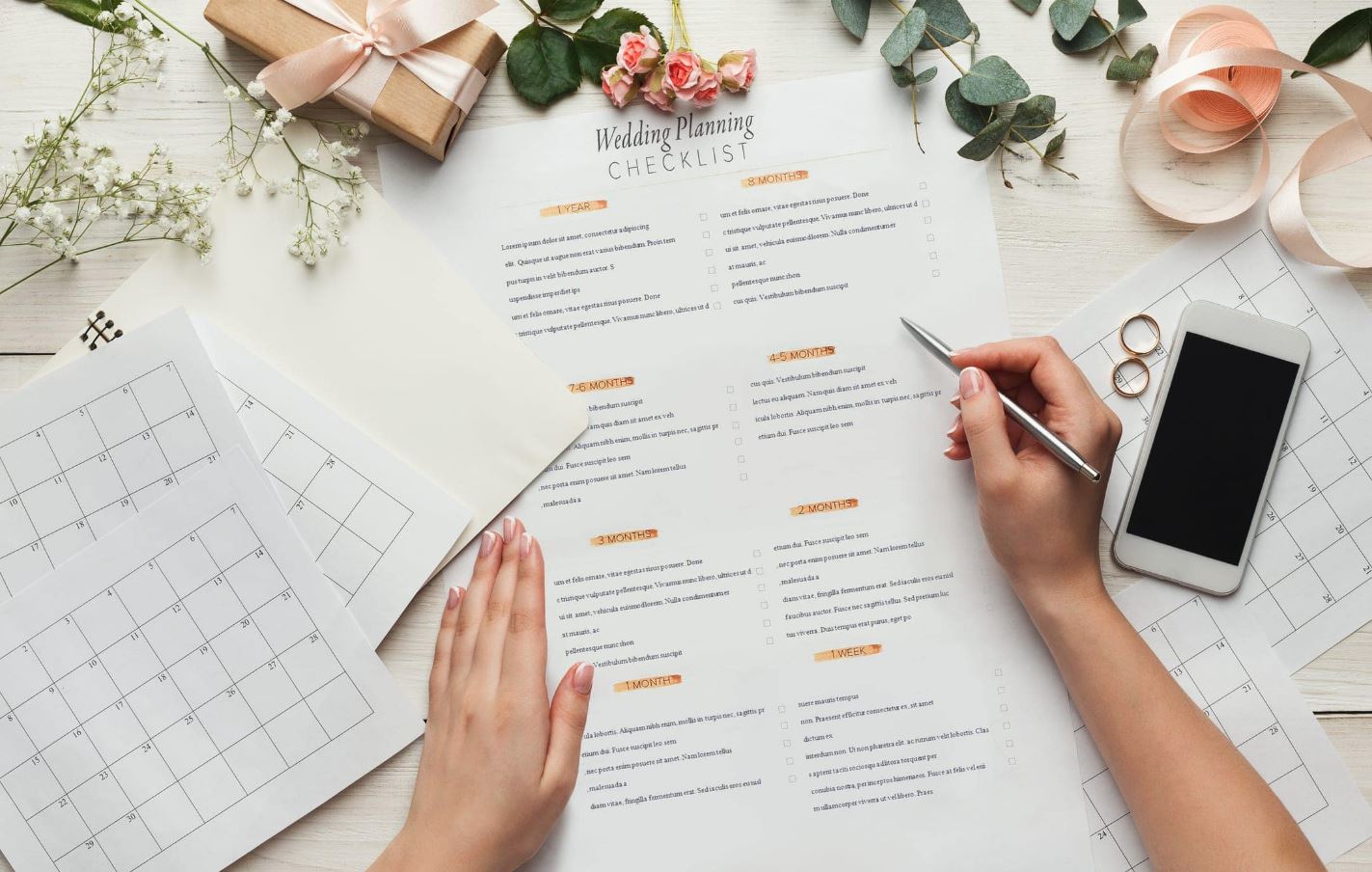
Careful Planning Turns Vision into Celebration
The First Breath of an Idea
Every great celebration begins with a whisper of possibility, a thought that lingers long before any list is written or any venue is visited. Planning starts not with logistics but with imagination. In the earliest phase, couples, families, or hosts envision what the day should feel like rather than what it should look like. They picture laughter moving through open air, the shimmer of light against glass, or the hum of conversation that defines a moment of togetherness. This initial stage is often the most fragile because ideas are untested and inspiration can shift with mood or influence. Yet within this fragility lies the purest essence of the event. The goal of planning is not to suppress spontaneity but to give it a structure that can thrive. Every decision made afterward refers back to this spark of vision. When people lose sight of that origin, planning becomes mechanical, a series of boxes to check. But when the vision remains visible, the process transforms into artistry. It becomes a conversation between the heart and the hands, turning emotion into experience.
To protect that vision, planners and couples often create mood boards, journals, or even playlists. These serve as emotional anchors, reminding them why they started. Early choices such as date, scale, and budget emerge from this foundation. Each practical step supports the poetic intention, ensuring that every decision reflects meaning rather than routine. The first breath of planning is therefore not about control but clarity. It is about setting a compass toward feeling, and once that compass is set, everything else can unfold naturally.
The Foundation of Timing
Timing governs everything in planning. It determines not only the sequence of actions but also the flow of emotion that guests experience during the event. The earliest step in timing is establishing priorities. For weddings and major events, certain elements must be secured months in advance, such as the venue, photographer, and catering. These decisions define availability and influence the tone of everything that follows. Yet beyond logistics, timing affects creativity. Too much haste can lead to compromise, while too much time can cause second-guessing. Successful planners strike a rhythm between momentum and reflection. They build in pauses that allow ideas to mature while maintaining progress to avoid stagnation.
In event planning, timing also applies to the day itself. The order of activities shapes emotion. A ceremony that transitions immediately into loud music can feel abrupt, while one that allows a moment of stillness afterward encourages reflection. Each phase must breathe in its own way. A timeline is not a rigid schedule but a choreography of experience. It balances surprise with comfort, pace with presence. This philosophy of timing can be applied to any event, from weddings to galas. It transforms structure into atmosphere and ensures that guests are not merely watching an event unfold but living inside it.
The Art of Budget as Storytelling
Budgeting is often viewed as the practical barrier between dream and reality, yet it can also serve as an act of storytelling. The allocation of resources reveals what the couple or host values most deeply. When approached creatively, budget becomes a narrative tool that highlights authenticity. Every choice tells a story of priorities. A couple that invests heavily in photography values memory. One that allocates more to food values shared experience. Another that emphasizes music values energy and connection. Rather than treating numbers as constraints, the most thoughtful planners use them as design elements. Each cost aligns with emotional intent.
The process of budgeting also fosters communication. It invites honest discussions about values, expectations, and boundaries. These conversations strengthen understanding and clarify purpose. Transparency prevents stress later in the process and allows for flexibility when unexpected expenses arise. Modern planning encourages smart alternatives such as local vendors, seasonal florals, or digital invitations that save cost without sacrificing charm. True creativity thrives within boundaries, and budgets are the boundaries that guide invention. When used wisely, they bring cohesion to the entire event, ensuring that extravagance never overshadows meaning. Budgeting is not subtraction from dreams but the refinement of them. It is what allows a vision to emerge cleanly, free of clutter or waste.
The Harmony Between Design and Function
Design is the most visible reflection of planning, but its success depends on the harmony between beauty and practicality. A visually stunning layout that impedes movement can frustrate guests, while a purely functional design can feel sterile. The goal is to merge the two seamlessly so that comfort becomes part of the aesthetic. Planning design begins with flow, the natural movement of people through space. Guests should never feel lost or crowded. They should be guided gently by arrangement, lighting, and rhythm. This sense of flow influences emotional tone just as much as décor. People relax when spaces make sense.
Visual unity is another pillar of design. Colors, materials, and textures should complement one another without overwhelming the eye. A well-curated palette communicates refinement. It tells guests that every detail was considered. Yet within unity, there must also be contrast. Light and dark, smooth and rough, soft and structured, all these elements work together to create visual tension that keeps the environment engaging. Function brings logic to beauty. Comfortable seating, clear signage, and acoustics enhance the experience without drawing attention to themselves. The harmony between design and function is not accidental. It is the product of planning that respects both artistry and empathy. The event becomes a stage on which emotion can unfold naturally, supported by invisible design.
The Psychology of Anticipation
One of the most overlooked aspects of planning is the management of anticipation. Long before an event begins, guests begin to imagine it. Invitations, themes, and even word of mouth build expectation. This anticipation is part of the experience, not separate from it. Skilled planners understand how to nurture it without exhausting it. The tone of communication before the event sets emotional context. A handwritten note can create intimacy. A creative save-the-date can spark excitement. A social media teaser can build curiosity. The goal is to ignite anticipation that feels authentic rather than forced.
Anticipation also plays a role during the event itself. The pacing of reveals, such as the unveiling of décor, the timing of entrances, or the moment the lights change, can heighten emotional engagement. Every event should have crescendos and stillness, like music. Guests need moments to feel wonder and moments to reflect. Planning for anticipation means considering what guests will see, hear, and feel at every stage. When managed with care, expectation becomes part of storytelling. It connects preparation with experience, turning every guest into a participant in the unfolding narrative.
The Collaboration of Many Hands
No successful event is created in isolation. Behind every seamless evening lies a network of collaboration between vendors, planners, artists, and loved ones. The planner becomes both conductor and translator, interpreting vision into multiple languages understood by florists, caterers, designers, and performers. Collaboration begins with respect. Every professional brings expertise that contributes to the final harmony. When communication flows freely, creativity multiplies. Miscommunication, however, can unravel even the most detailed plans. Regular check-ins, shared documents, and clear role definitions keep collaboration efficient and positive.
Couples and hosts also play an important part in this ecosystem. Their clarity of vision and openness to suggestions shape the outcome. Some ideas flourish through compromise, others through delegation. A healthy collaboration values both leadership and trust. The more each participant feels ownership of the event, the more passionate their contribution becomes. Planning is not about commanding others but guiding collective energy toward one vision. The synergy of many hands is what turns a single day into something extraordinary. Every person who touches the project leaves an invisible fingerprint that contributes to the soul of the event.
The Role of Flexibility in Perfection
Flexibility might seem opposite to planning, yet it is what makes perfection possible. No matter how carefully organized, every event encounters unexpected shifts. Weather changes, deliveries delay, or emotions fluctuate. The planner’s true skill lies not in avoiding problems but in adapting to them gracefully. Flexibility turns potential stress into opportunity. A sudden rain shower can become a romantic backdrop for photographs. A delayed speech can open time for impromptu music. These spontaneous adjustments add humanity to precision. They remind everyone that real beauty often grows in unplanned moments.
Flexibility also nurtures calm. When teams and hosts trust their preparation, they can adjust without panic. Contingency planning is part of this mindset. Backup plans for outdoor settings, alternate menus for allergies, or emergency kits for wardrobe issues all safeguard experience. The key is preparation without rigidity. The best planners design with space for movement, like a dancer who leaves room for improvisation. This mindset transforms perfection from a fixed goal into a fluid process. Perfection, in truth, is not the absence of error but the presence of grace when change arrives. Every event becomes a testament to adaptability as art.
The Day That Arrives
The day of the event is the convergence of months or even years of thought, collaboration, and care. When it arrives, planning must shift from doing to being. The planner transitions from architect to observer, ensuring everything flows while allowing the day to breathe on its own. The best preparation fades quietly into the background, leaving only experience. A successful event feels effortless to those attending, even though its simplicity is born from complexity. The rhythm of arrivals, greetings, and transitions unfolds naturally. Guests move as if guided by unseen cues, responding to the environment that was built for them.
This is the moment when the vision first imagined becomes real. Every list, every meeting, every late-night decision finds purpose in the laughter that fills the room and the stillness that follows applause. When planners witness that transformation, they experience a quiet reward. Their role dissolves into the experience itself. The event is no longer about structure but memory. The success of planning is measured not in perfection but in emotion. When guests leave feeling something they cannot fully describe, when they remember how the room felt rather than what it looked like, the planner’s purpose is fulfilled. The day that arrives is not an ending but a living echo of all the effort that made it possible.
The Legacy of Preparation
After the final light fades and the space returns to silence, the legacy of planning remains. Every decision, every collaboration, and every adaptation becomes part of a larger skill set that extends beyond one event. Planning teaches patience, foresight, and empathy. It reveals the invisible threads that connect vision to outcome. For hosts, it becomes a memory of accomplishment. For planners, it becomes craft refined through repetition and reflection. The legacy of preparation is not stored in checklists but in stories. It is the story of how chaos became beauty, how intention became memory, and how a single day managed to capture the essence of many lives converging at once. In the art of planning, time itself becomes a collaborator, shaping what was once intangible into something unforgettable. The result is not simply an event but a living expression of care, precision, and love made visible.